

In today’s increasingly aware and compassionate society, we recognize the profound impact that therapeutic interventions can have on children with special needs. Among these, animal healing therapy has emerged as a transformative approach, offering unique emotional and cognitive benefits. We have observed firsthand how interactions with therapy animals can foster an environment of trust and safety, allowing children to express themselves in ways they may struggle to do with adults.
The gentle presence of these animals not only helps to alleviate anxiety and stress but also encourages social interaction, communication, and emotional bonding. Through our collective experiences, we have seen children develop greater self-esteem, improve their social skills, and even enhance their physical coordination and mobility. This article delves into the multifaceted advantages of animal healing therapy, exploring how these interactions can serve as a catalyst for growth and development in children with special needs.
By examining the science behind animal-assisted therapy and sharing inspiring stories from families and professionals, we aim to illuminate the powerful potential of this practice in supporting and nurturing the well-being of our youngest and most vulnerable community members. Together, we can celebrate the incredible bond between humans and animals and its capacity to create lasting change.
Understanding animal therapy’s impact on children.
In our exploration of animal therapy for special needs children, we have observed the profound benefits that therapy animals bring to those with autism, ADHD, anxiety, and other developmental challenges. The tactile connection that children establish with these animals can be incredibly grounding, providing a sense of comfort and belonging. This connection often encourages emotional healing for kids, fostering an environment where they feel safe to express their feelings without judgment. Moreover, the consistency offered by therapy animals serves as a stable presence in a child’s life, helping to reduce anxiety and promote a sense of routine that can be crucial for children struggling with emotional regulation.
We have also noted how the intuitive responses of therapy animals can facilitate communication in ways that are sometimes challenging for children with disabilities. These animals often seem to sense the emotional states of the children, responding with affection or calmness that can help mitigate feelings of distress. In many cases, interactions with therapy animals promote social skills and improve self-esteem, as children experience the joy of forming meaningful bonds. As we continue to learn and share these experiences, we see how therapy animals can become vital allies in the journey toward emotional and social development for children with special needs.
Exploring pet therapy benefits for autism.
Therapy can encourage children to engage and interact more openly. As we witness this unique bond, it becomes evident that the animals act as a bridge, allowing for communication to flow more freely. For children with autism, who may struggle with social cues and verbal expression, the presence of a therapy animal can create a non-threatening environment where they feel encouraged to communicate through gestures, sounds, or even simply by being in proximity to their furry companion.
Furthermore, the benefits of pet therapy for autism extend beyond immediate emotional support. Engaging with therapy animals can help children practice essential life skills, such as nurturing and responsibility, which in turn boosts their self-esteem and confidence. We often see transformations in these children as they learn to anticipate and respond to the needs of their therapy animals. This reciprocal relationship not only aids in emotional regulation but also promotes social skills, as children become more attuned to the needs of others. Ultimately, the incorporation of therapy animals into the lives of children with special needs can lead to meaningful improvements in their emotional well-being and overall quality of life.
How therapy animals foster emotional healing.
Animal therapy fosters a sense of stability and calm for children with ADHD, anxiety, and other special needs. The tactile connection that comes from petting or cuddling with a therapy animal provides a sensory experience that can be grounding, helping to soothe heightened emotions and promote relaxation. This interaction often helps children recognize and understand their feelings better, leading to improved emotional regulation. Additionally, the consistency and routine associated with animal therapy create a predictable environment; knowing a therapy animal will be there at specific times can serve as an anchor for children facing daily challenges.
Moreover, the intuitive responses of therapy animals further enhance their role in emotional healing. Animals are often very attuned to human emotions and can respond with comforting gestures when they sense distress or anxiety. This non-judgmental support allows children to express their emotions more freely without fear of being misunderstood. Through these interactions, we observe that therapy animals become trusted companions, empowering children to explore their feelings and develop effective communication skills. As we facilitate these connections, the transformative impact on emotional healing for kids becomes increasingly clear, demonstrating the profound benefits of animal therapy for special needs children.
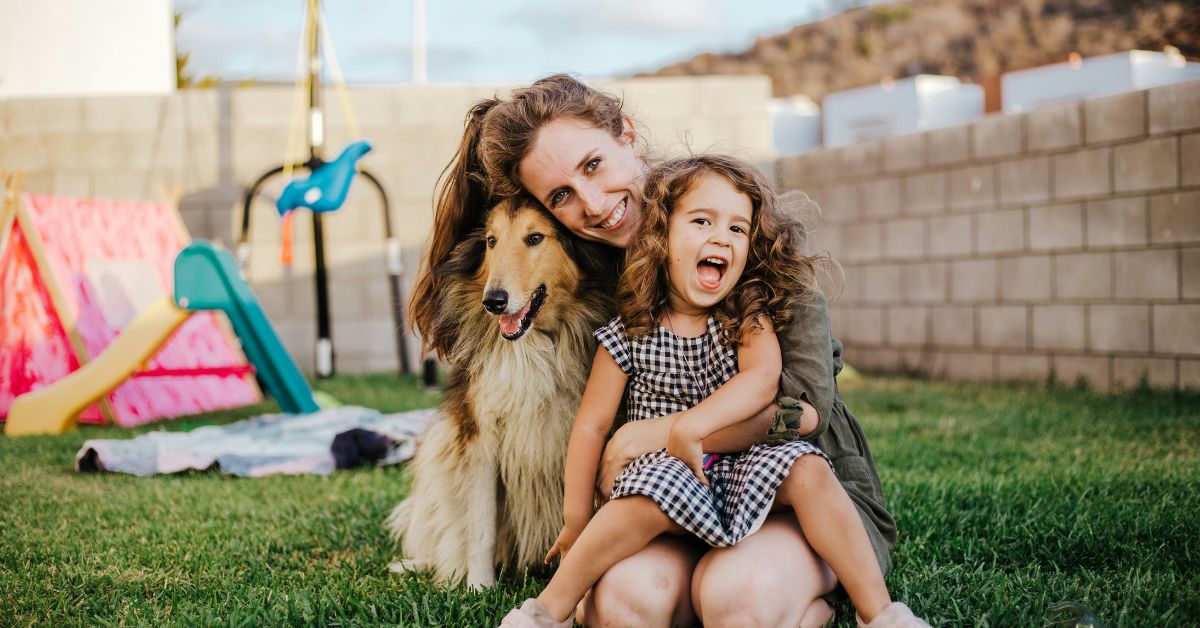
Enhancing communication through animal interactions.
The presence of therapy animals can significantly enhance communication for children with special needs, providing a unique platform for expression and interaction. Through engaging with animals, children often find themselves more willing to communicate their thoughts and emotions. For instance, those on the autism spectrum may struggle with verbal communication, but the bond formed with a therapy animal can encourage them to articulate their feelings and needs more openly. This process not only fosters verbal communication but also enhances non-verbal cues, as children learn to read the animals’ reactions and adjust their behavior accordingly.
Furthermore, the interactions with therapy animals can reduce social anxieties, making it easier for children to initiate conversations with peers and caregivers. When engaged in activities involving animals, we often witness a natural display of empathy and connection, which can pave the way for more meaningful exchanges. As children share their experiences with therapy animals, they build confidence in their communication skills, leading to greater social integration and emotional well-being. By facilitating these interactions, we enable children with disabilities to thrive not only in their personal development but also in their ability to connect with the world around them.
The role of consistency in therapy.
Consistency plays a crucial role in the effectiveness of animal therapy for special needs children. Regular interactions with therapy animals help to create a stable and predictable environment, which is especially beneficial for children with conditions like autism, ADHD, and anxiety. By establishing a routine, we allow children to build trust with their therapy animals, fostering a sense of security that makes it easier for them to explore their emotions and practice communication skills. The tactile connection provided by pet therapy not only serves as a grounding mechanism but also reinforces emotional regulation, enabling children to feel more in control of their responses.
Additionally, the intuitive response of therapy animals contributes to a child’s emotional healing journey. Animals have an inherent ability to sense human emotions, often responding in ways that provide comfort and validation. This can be particularly transformative for children struggling with disabilities, as they learn to interpret and manage their feelings through the animal’s behavior. When children experience this kind of consistent support from therapy animals, they develop greater self-awareness and resilience, leading to improved interactions with their peers and caregivers. Ultimately, embracing both consistency and the unique bond formed with therapy animals allows for profound advancements in emotional healing for kids.
Tactile connections improve emotional regulation.
Animal therapy can help with emotional regulation. When engaging with therapy animals, we witness how physical touch—whether through petting, hugging, or simply being in close proximity—serves as a powerful tool for emotional grounding. These tactile connections help children with special needs understand and manage their feelings more effectively. The sensation of soft fur or the rhythmic breathing of a calm animal can significantly reduce anxiety and promote a sense of safety. This direct, physical interaction often leads to spontaneous moments of joy and relaxation, allowing children to express emotions that might otherwise be difficult to articulate.
Moreover, the unique bond formed through these tactile experiences fosters better communication skills. As we observe the natural interaction between children and therapy animals, we see that the presence of a responsive animal encourages children to share their thoughts and feelings more openly. This is particularly beneficial for those with autism, who may struggle with verbal communication. The consistency of these interactions, combined with the intuitive nature of therapy animals, not only enhances emotional healing for kids but also empowers them to navigate their social environments with greater confidence and resilience.
Addressing anxiety with therapy animals.
The consistency of therapy animals provides a reliable source of comfort, as these animals often exhibit a calm and understanding demeanor that reassures children in distress. The intuitive responses of therapy animals, who seem to sense when a child is feeling overwhelmed, can create a safe space for emotional expression. This non-judgmental companionship allows children to navigate their feelings at their own pace, fostering a sense of security that is essential for emotional healing.
In our experiences, we have seen how the presence of therapy animals can also enhance social interactions among peers. Children feel less pressure when engaging with a friendly animal, making it easier for them to connect with others and practice essential communication skills. As they bond over shared moments with their therapy animals, these children often develop confidence that extends beyond their sessions. Through this process, we encourage the use of animal therapy for special needs children as a valuable tool for promoting mental well-being, enhancing communication, and ultimately enriching their lives.
Supporting children with ADHD through animals.
We have observed the profound impact that animal therapy can have on children with ADHD. The tactile connection that children experience while interacting with therapy animals provides a unique sensory outlet, which can be particularly beneficial for those who struggle with hyperactivity and impulsivity. This physical interaction not only draws their focus but also helps to ground them in the present moment, enhancing their ability to regulate emotions and manage distractions. The rhythmic and calming nature of pet therapy creates a soothing environment that encourages relaxation, allowing children to engage more fully in therapeutic activities.
In addition to promoting emotional regulation, therapy animals serve as social catalysts for children with ADHD. Engaging with animals often leads to improved communication skills as children learn to express their needs and emotions more clearly. The consistent routines established through pet therapy sessions help reinforce structure, which can be particularly advantageous for children who thrive on predictability. Over time, we see these children gain confidence in their interactions, not only with their therapy animals but also with their peers and caregivers, ultimately leading to improved social skills and a greater sense of belonging.
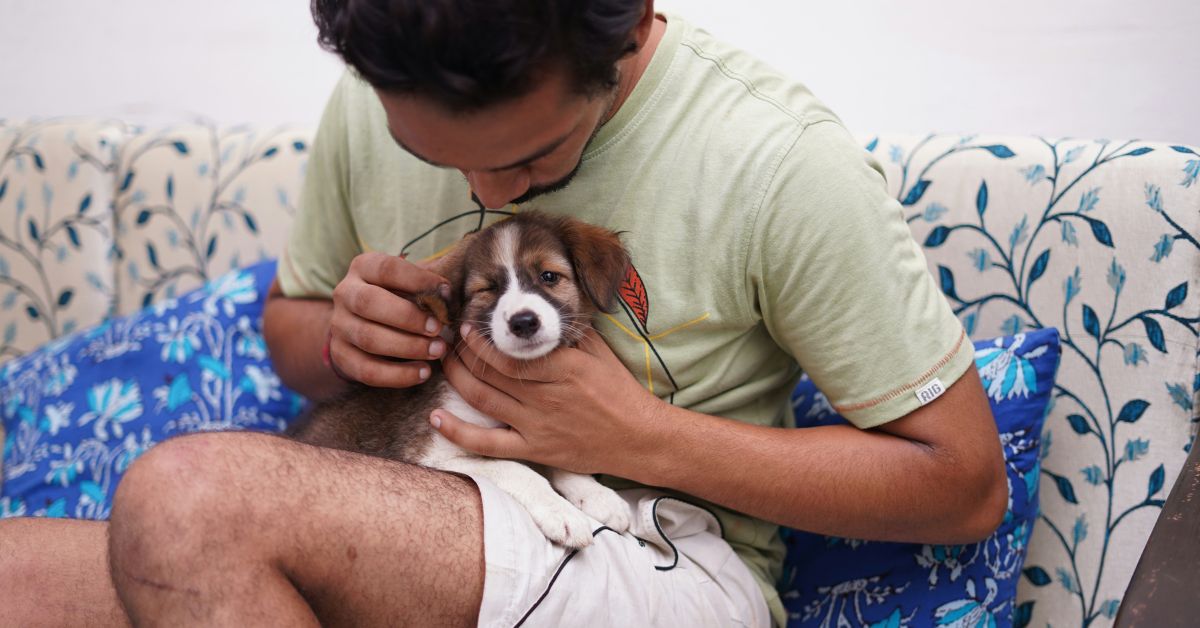
Building trust and companionship with pets.
As we bond with our therapy animals, we cultivate trust and companionship that can extend beyond the therapy room. This relationship encourages children to open up and share their thoughts and feelings in a safe space, thereby enhancing their social skills and emotional intelligence. The intuitive nature of therapy animals allows them to respond to children’s emotions, providing comfort and support when it is most needed.
Through the gentle presence of a therapy animal, we can witness remarkable transformations in children with autism or other disabilities. The animals often serve as non-judgmental companions, helping to bridge the gap in communication for those who may struggle with social interactions. This companionship not only alleviates feelings of isolation but also encourages children to practice social engagement in a low-pressure environment. The trust developed through these interactions lays the groundwork for deeper emotional healing, allowing our children to thrive both in therapy and in their everyday lives.
Empowering special needs children through animal healing.
The tactile connection that children experience with therapy animals plays a crucial role in their emotional healing. As we engage in pet therapy for autism, we notice that the simple act of petting or holding a therapy animal can create a calming effect, helping to reduce anxiety and promote emotional regulation. This sensory experience can be particularly beneficial for children with ADHD, as it provides a tangible focus that helps ground them during moments of overwhelm. The consistency of having a therapy animal present fosters a sense of security, enabling children to express themselves more freely while learning to manage their emotions effectively.
Moreover, the intuitive responses of therapy animals to our feelings create an environment where open communication can flourish. These animals often sense shifts in a child’s mood, offering comfort and companionship when it is most needed. This unique bond encourages children to articulate their emotions, enhancing their communication skills and building their confidence. By integrating animal therapy for special needs children into therapeutic practices, we not only facilitate emotional healing for kids but also empower them to navigate their challenges with greater resilience and self-awareness.
In conclusion, our exploration of animal healing therapy underscores the profound impact that therapy animals can have on children with special needs, such as autism, ADHD, and anxiety. We’ve seen how the tactile connection fostered through gentle interactions with these animals can provide comfort and security, creating an environment where emotional regulation becomes more attainable. The consistent presence of a therapy animal also offers a sense of routine and predictability that many children thrive on. Additionally, the intuitive responses of animals can help facilitate communication, allowing children to express themselves in ways they may struggle to do with peers and adults. As we continue to support and champion these therapeutic practices, it is clear that animals possess an innate ability to uplift and empower, helping our children not just cope but truly thrive in their unique journeys.
FAQ
Animal healing therapy offers us a unique approach to supporting children with special needs. By interacting with animals, we witness improvements in emotional regulation, social skills, and communication. These interactions create a safe space where children can express themselves freely, reducing anxiety and stress. Furthermore, the unconditional love from animals fosters a sense of belonging and boosts self-esteem. As we engage in this therapy, we see the children develop empathy and responsibility towards animals, enhancing their overall development. Ultimately, animal healing therapy enriches their lives, providing joy and healing in ways we often cannot achieve through traditional methods.
What specific benefits do therapy animals provide to children with autism in terms of emotional regulation and social interaction?
Therapy animals offer us a unique connection that enhances emotional regulation and social interaction for children with autism. Their unconditional love and presence provide comfort, reducing anxiety during challenging moments. We notice that these animals help foster communication, as children often feel more at ease expressing themselves around them. The playful nature of therapy animals encourages social engagement, promoting peer interactions in a non-threatening way. Overall, we find that the bond with therapy animals creates a safe space for emotional expression and helps build vital social skills, significantly improving the quality of life for children on the spectrum.
How does the tactile connection between children and therapy animals enhance sensory processing and promote calmness in those with ADHD or anxiety?
We have observed that the tactile connection between children and therapy animals significantly enhances sensory processing and promotes calmness. When children engage physically with these animals—through petting, hugging, or simply being close—they experience soothing sensory input that helps regulate their emotions. This interaction fosters a sense of safety and comfort, which can be particularly beneficial for those with ADHD or anxiety. The rhythm of a heartbeat or the softness of fur can ground us, creating a calming environment that allows for better focus and emotional stability, ultimately making therapy more effective for these children.
In what ways do the consistent presence and routines involving therapy animals contribute to a child’s sense of security and predictability, particularly for those with special needs?
We find that the consistent presence of therapy animals creates a comforting atmosphere for children, especially those with special needs. Their routines help establish a sense of predictability, allowing us to observe the children feeling more relaxed and safe. Interactions with these animals can reduce anxiety and foster emotional connections, making the environment feel more stable. As we engage in regular activities involving the animals, we witness the children develop trust and confidence, knowing they have a reliable source of comfort amidst the challenges they face. This predictability significantly enhances their overall well-being and emotional resilience.
How do therapy animals exhibit intuitive responses to children’s emotional states, and how does this ability facilitate communication and understanding in children with special needs?
Therapy animals seem to instinctively sense our emotions, often responding to children’s feelings before we even acknowledge them. When a child is anxious or upset, these animals might approach gently, offering comfort and companionship. This intuitive behavior helps bridge communication gaps, allowing children with special needs to express themselves more freely. We notice how these animals create a safe space, encouraging kids to share their thoughts and feelings without fear of judgment. Through this unique bond, we witness enhanced understanding and connection, fostering emotional growth and resilience in our children.
What evidence or research supports the effectiveness of animal healing therapy in improving the overall well-being and developmental outcomes for children with various special needs?
Research shows that animal healing therapy significantly enhances the well-being and developmental outcomes for children with special needs. Studies indicate that interactions with therapy animals can reduce anxiety, improve social skills, and increase emotional regulation. For instance, we’ve seen children with autism benefit from improved communication and social interactions during sessions with therapy dogs. Additionally, research highlights that equine-assisted therapy can foster trust and empathy, promoting greater resilience. Overall, the positive impact of animals in therapeutic settings creates a nurturing environment, allowing children to thrive and develop essential life skills.