
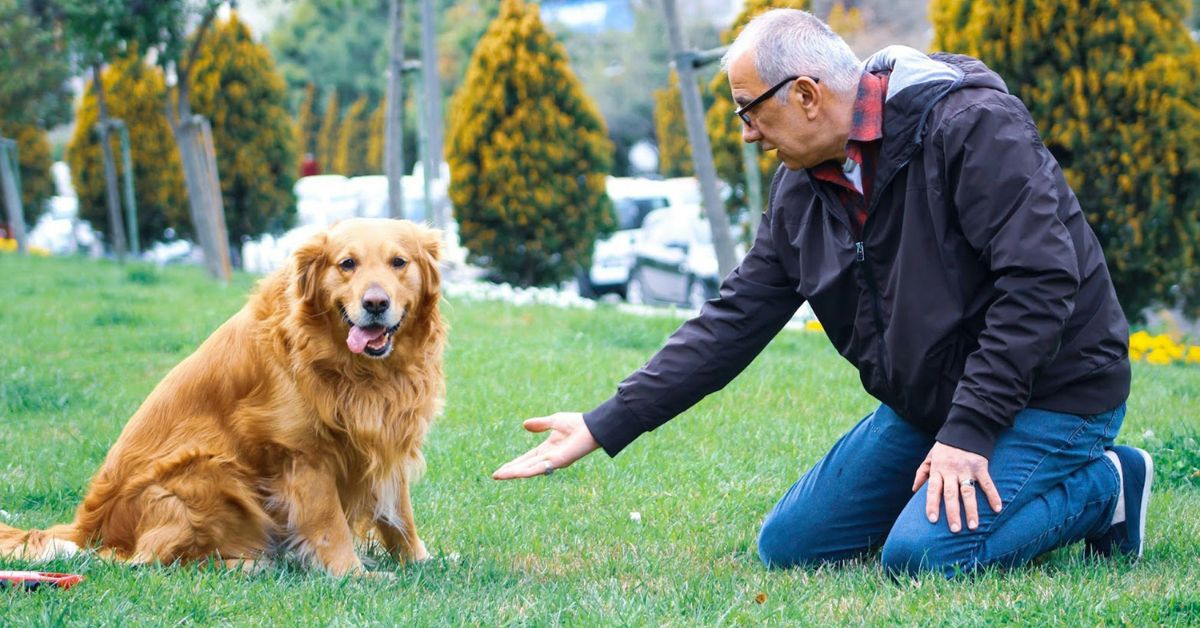
In recent years, we have witnessed a growing recognition of the profound impact that animal therapy can have on the lives of elderly individuals residing in care homes. As we navigate the complexities of aging, it becomes increasingly clear that the emotional and psychological well-being of seniors is just as critical as their physical health.
In this article, we will explore the multifaceted benefits of animal therapy, shedding light on its ability to provide comfort, companionship, and a renewed sense of purpose for our elderly population. Through interactions with therapy animals, we can foster meaningful connections that combat loneliness and enhance overall quality of life.
Research has demonstrated that these interactions can reduce stress, lower blood pressure, and even alleviate symptoms of depression. By examining various case studies and caregiver testimonials, we aim to highlight the transformative power of animal-assisted interventions in care home settings.
Together, we will uncover how these unique partnerships not only enrich the lives of our elderly residents but also create a more vibrant, compassionate community within care facilities. Join us as we delve into the heartwarming stories and compelling evidence that underscore the importance of integrating animal therapy into elder care practices.
Animal therapy enhances emotional well-being for seniors in care homes.
In our experience with animal therapy in old age homes, we’ve witnessed firsthand how therapy pets for the elderly can drastically improve the emotional landscape of the residents. Gentle interactions with these animals foster a sense of companionship, effectively reducing feelings of loneliness that are all too common in care settings. Many seniors respond warmly to the unconditional love and affection provided by therapy animals, which helps in creating a nurturing environment. For instance, we’ve observed a resident with dementia light up when a therapy dog approached her, leading to smiles and even moments of shared laughter that we hadn’t seen in months. Such connections not only provide comfort but also stimulate mental engagement, breaking the barriers of isolation.
Moreover, the use of emotional support animals for seniors has proven to enhance cognitive functions, particularly in communication and memory recall. During structured activities involving animals, we’ve noticed that many residents actively participate, often recalling vivid memories associated with pets they had in their youth. Engaging with these animals encourages them to articulate their thoughts and feelings, thereby improving their verbal skills. This interactive approach to dementia support with animals creates a therapeutic atmosphere that promotes mental well-being, enhancing the quality of life for our elderly residents. The bond they share with therapy animals offers a unique form of healing that transcends traditional forms of therapy, reminding us of the profound impact that animals can have on our emotional health.
Therapy pets bring joy and companionship to elderly residents daily.
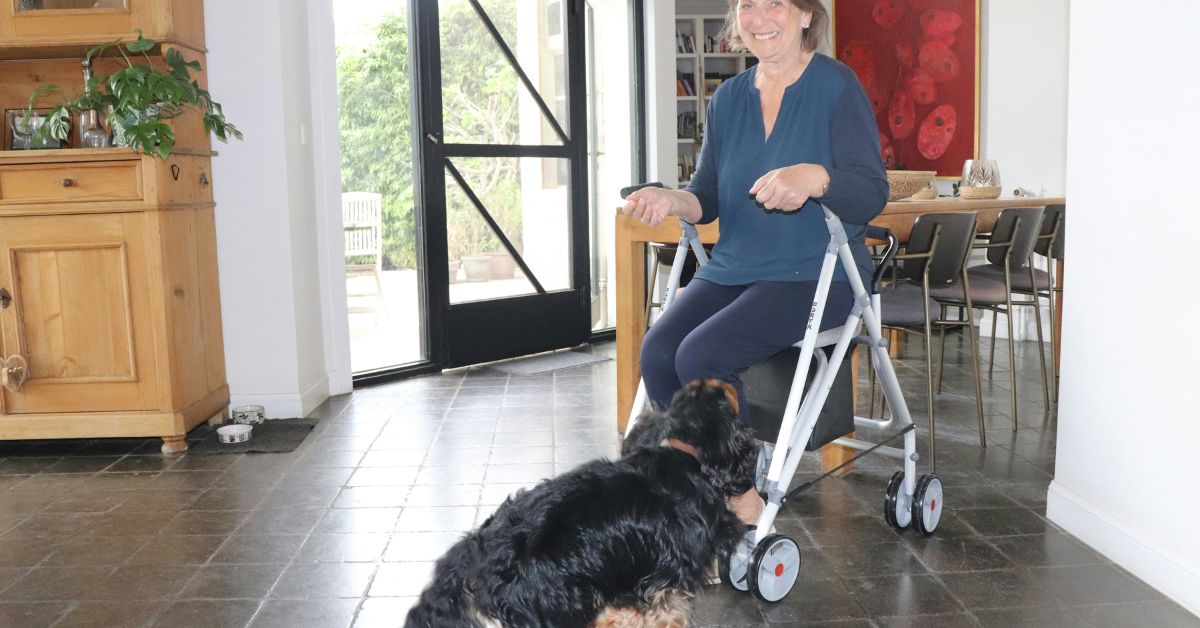
ln interactions, we’ve seen how residents with dementia can recall fond memories or stories when engaged with a therapy pet. The presence of these animals often sparks conversations, drawing out memories that might otherwise remain hidden. We recall a touching moment when a resident began sharing tales of her childhood farm while petting a gentle rabbit, her face lighting up with nostalgia. Such experiences are not merely anecdotal; they highlight the profound impact that therapy pets can have on mental stimulation and engagement in elderly populations.
The gentle nature of these therapy animals provides a calming influence that encourages residents to participate in activities they might otherwise shy away from. Whether it’s a simple stroke of a fur coat or the sound of a soft purring cat, these interactions promote emotional well-being and foster social connections among peers. As we continue to integrate animal therapy for old age homes, we observe a notable increase in overall happiness levels, where residents not only find companionship in their furry friends but also experience a renewed sense of purpose and joy in their daily lives.
We witness reduced loneliness through interactions with therapy animals.
A inrease in residents’ overall mood and a significant reduction in feelings of loneliness. The companionship offered by these therapy pets often serves as a bridge for social interaction, with residents gathering around to share their experiences and joy in caring for their furry visitors. We can recall instances where a shy resident who rarely engaged with others began to open up during group sessions, finding comfort not only in the presence of a warm dog but also in the shared smiles and laughter that ensued.
These gentle interactions facilitate not just emotional support but also cognitive benefits, as engaging with animals has been shown to stimulate memory and communication skills, particularly in those living with dementia. The rhythmic motion of petting an animal can bring a sense of calm and focus, allowing residents to engage in activities they might find daunting otherwise. Through stories and shared moments, we witness the therapeutic effects of these animals firsthand, affirming why elderly residents respond so positively to animal healing. The bond formed between humans and therapy pets becomes a powerful tool in combating isolation, enhancing the quality of life for seniors and creating a nurturing environment within care homes.
Gentle animal interactions stimulate memories in dementia patients effectively.
We have observed that gentle interactions with animals create a unique environment where memories can be accessed and shared, particularly for dementia patients. Engaging with therapy pets for the elderly has shown to spark moments of recognition and recall, as residents often find themselves reminiscing about past experiences with pets from their own lives. This emotional connection not only enhances their mental stimulation but also encourages communication, as they express fond memories and stories related to their interactions with animals. For instance, one resident, after spending time with a therapy dog, began to recount vivid tales of their childhood pet, illustrating the profound impact that such moments can have on their cognitive function.
Moreover, the presence of emotional support animals for seniors fosters a sense of security and trust, which are vital for individuals living with dementia. The simple act of petting a calm animal can reduce stress levels and evoke feelings of happiness, making it easier for residents to engage with their surroundings and those around them. In our experience, we’ve seen that these gentle animal interactions not only lift spirits but also create a warmth that encourages social bonds among residents, enhancing their overall quality of life. As we continue to implement animal therapy for old age homes, we recognize that these interactions serve as a powerful tool in dementia support, unlocking cherished memories while simultaneously fostering companionship and joy.
Emotional support animals create meaningful connections with elderly individuals.
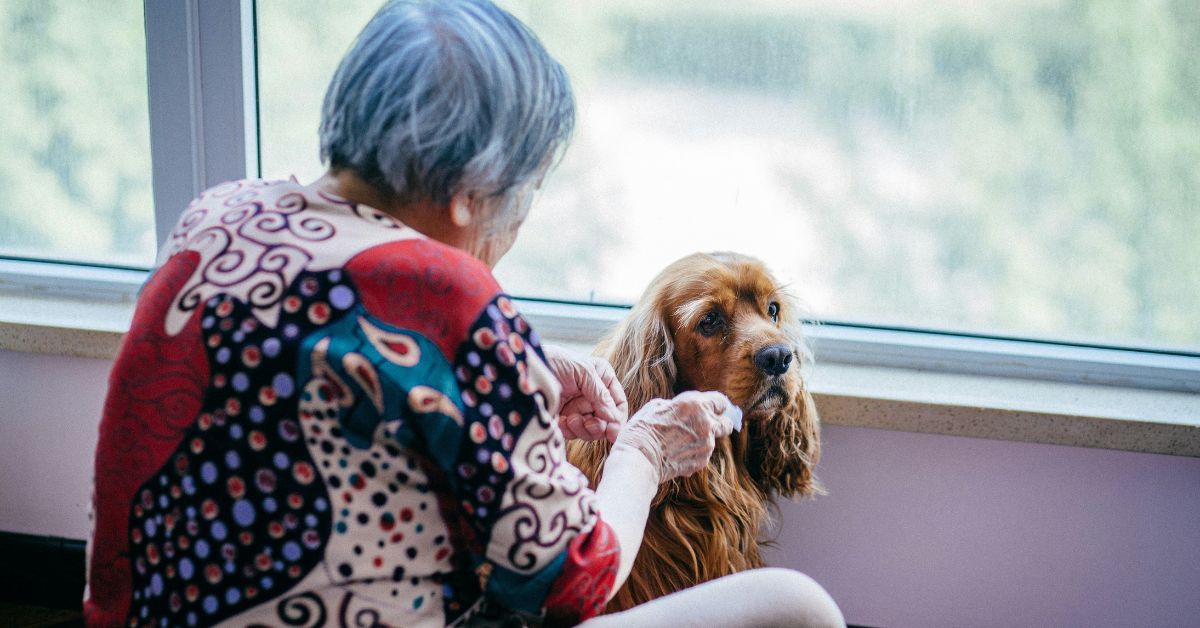
We find that the companionship provided by animal therapy for old age homes significantly reduces feelings of loneliness among elderly residents. As we witness the transformation in their demeanor during and after interactions with therapy pets, it becomes clear that these animals serve as a bridge to emotional healing. For instance, one resident who initially struggled with isolation began to engage more with their peers after regularly spending time with a visiting cat. The gentle purring and soft fur offered a comforting presence, which not only uplifted their spirits but also encouraged social interaction within the group. This shared experience around the therapy pet often leads to conversations, laughter, and a renewed sense of community among residents.
Additionally, we have noted that emotional support animals can improve memory and cognitive engagement, particularly in dementia support with animals. By providing a stimulating environment, these pets invite residents to share and discuss their feelings, thoughts, and memories related to their interactions. In one exceptional case, a resident who had difficulty participating in group activities began to articulate their thoughts during pet therapy sessions, recalling not only their past with animals but also significant life events associated with them. Through these gentle yet profound connections, we see how therapy pets enrich the lives of seniors and create a positive impact on their overall well-being.
Residents engage more during therapy sessions with animals present.
We observe meaningful changes in communication abilities and overall mental stimulation. The presence of a therapy dog can spark memories from the past, as residents recall experiences related to pets they had throughout their lives. One touching moment involved a resident who, while petting a therapy dog, began recounting stories from their childhood, vividly describing their own dog and the adventures they shared. Such interactions foster not only cognitive engagement but also strengthen emotional connections with both the animals and fellow residents.
Moreover, the gentle interactions encouraged by therapy pets create a safe and nurturing environment where elderly individuals feel valued and understood. We often see residents who typically remain withdrawn come alive during these sessions, leaning in to pet or speak softly to the animals. This engagement not only alleviates feelings of anxiety but also enhances communication skills, as residents articulate their thoughts and feelings more freely in the presence of their furry companions. The unmistakable joy on their faces when they interact with the animals highlights the profound impact that animal therapy has on their overall well-being, offering both comfort and companionship during a critical phase of life.
Animal healing fosters communication among seniors in care environments.
The role of animal therapy for old age homes significantly enhances the emotional landscape of care environments. As we witness the profound effects of therapy pets for elderly residents, it becomes clear that these gentle companions inspire joy and facilitate connections among individuals. For instance, during one of our regular animal therapy sessions, we observed a resident with advanced dementia who rarely interacted with others. However, as a therapy dog approached, the resident’s face lit up, and they began to reach out, initiating contact. This simple act sparked a meaningful exchange among other residents, as they shared similar experiences with animals, fostering a sense of camaraderie and community.
Additionally, the benefits of emotional support animals for seniors extend beyond mere companionship; they stimulate mental engagement and can enhance memory recall. In one memorable session, a group of residents gathered around a therapy cat, sharing stories that revealed long-hidden memories of their own pets. This kind of interaction not only combats loneliness but also encourages cognitive functioning, as the act of reminiscing can improve communication skills. By integrating animals into these care environments, we create opportunities for residents to engage socially and mentally, ultimately leading to a richer, more fulfilling life experience.
We share heartwarming stories of joyful moments with therapy pets.
When seniors remember their own pets from years past. The conversations flowed effortlessly as they reminisced about the joys their furry friends had brought into their lives. This interaction not only ignited laughter but also encouraged seniors to engage their memories, often prompting them to recall names, events, and cherished moments that had been tucked away. Such emotional connections, facilitated by therapy pets, serve to strengthen cognitive faculties and improve communication skills, particularly in individuals facing the challenges of dementia.
Moreover, the gentle interactions with therapy animals provide a profound sense of comfort, reducing feelings of isolation and anxiety commonly experienced among elderly residents. During our sessions, we frequently observe how a simple act of petting a dog or cat can bring about a sense of tranquility and happiness. This bonding experience not only lifts spirits but also promotes a nurturing environment that encourages socialization and emotional well-being. The healing power of animals truly resonates with seniors, enhancing their quality of life and fostering a community where joy and connection thrive.
Therapy animals encourage physical activity in a fun, engaging way.
Engagement with therapy animals naturally fosters physical activity among elderly residents, as these interactions often entail playful movements and gentle exercises. Whether it’s tossing a soft ball for a therapy dog or participating in a guided activity that involves walking with a pet, these moments transform what could be mundane exercise into joyful experiences. We find that residents are more inclined to move and participate when accompanied by a friendly animal, making the pursuit of physical well-being feel less like a chore and more like an enjoyable outing. These activities not only enhance physical mobility but also contribute to improved cardiovascular health and coordination.
Additionally, the presence of therapy animals creates an inviting atmosphere that encourages residents to connect with one another. As we observe, groups often gather to watch or interact with the animals, leading to spontaneous conversations and shared laughter. This communal experience not only reinforces social bonds but also stimulates mental engagement, as residents are motivated to share stories, discuss pet care, or even strategize games involving the animals. The delightful energy brought by therapy pets serves as a catalyst for both physical and emotional wellness, making animal therapy an invaluable resource in enhancing the quality of life for seniors.
Our care home thrives with love from therapy pets for the elderly.
The incorporation of therapy pets into our care home has proven to be a transformative experience for our elderly residents, particularly in enhancing mental stimulation and social interaction. Many of us have witnessed how the gentle presence of these animals can spark conversations and ignite cherished memories among residents, especially those living with dementia. For instance, during our weekly pet visitation, a resident named Margaret, who typically remained quiet, lit up as she reminisced about her childhood dog, engaging with both the pet and fellow residents. Such emotional support animals for seniors not only provide comfort but also serve as focal points for communication, allowing residents to share stories and connect in ways that verbal prompts alone often fail to achieve.
Additionally, the therapeutic benefits extend beyond mere companionship; they significantly reduce feelings of loneliness and anxiety. The calming effect of stroking a soft fur coat or the simple act of petting a therapy animal has been shown to lower stress levels among our residents. In many cases, this gentle interaction results in improved memory recall and cognitive engagement. We have observed that even residents who are usually withdrawn become animated and participative when interacting with therapy pets. Through these connections, we affirm the power of animal therapy for old age homes, as it not only enriches our residents’ lives but also fosters a warm and loving community environment where everyone feels valued and supported.

In conclusion, our exploration of animal therapy for the elderly in care homes has highlighted the profound impact that gentle interactions with animals can have on mental well-being. We have seen how the presence of therapy animals fosters mental stimulation, helping to engage residents in meaningful activities and conversations. The heartwarming stories of residents finding joy and companionship through these furry friends illustrate the power of connection in reducing loneliness and enhancing their overall quality of life. For many, these interactions not only bring smiles but also stimulate memories and improve communication, particularly for those living with dementia. As we reflect on the benefits of animal therapy, it becomes clear that these compassionate creatures provide more than just comfort; they offer a unique form of healing that resonates deeply with our elderly loved ones, reminding us all of the importance of companionship in our later years.
FAQ
How does animal therapy facilitate mental stimulation for elderly residents in care homes, particularly those with dementia, and can you share specific examples or stories that highlight these interactions?
In our experience with animal therapy, we’ve seen how interactions with therapy animals ignite joy and stimulate memories in elderly residents, especially those with dementia. For instance, during a recent visit, a therapy dog named Max elicited smiles and laughter as he performed tricks, prompting residents to share stories about their own pets. One resident, who rarely spoke, lit up when reminiscing about her childhood cat. These moments not only enhance emotional well-being but also encourage cognitive engagement, as residents connect with the animals and each other, fostering a sense of community and belonging.
In what ways does the presence of therapy animals help reduce feelings of loneliness among elderly individuals in care homes, and what evidence exists to support the emotional benefits of these gentle interactions?
We find that the presence of therapy animals significantly helps reduce feelings of loneliness among elderly individuals in care homes. Interacting with these gentle creatures promotes social engagement, creates a sense of purpose, and fosters emotional connections. Studies show that petting animals releases oxytocin, enhancing feelings of well-being and reducing stress. Furthermore, therapy animals often serve as conversation starters, encouraging residents to share stories and connect with each other. Research supports these benefits, highlighting improvements in mood and reduced feelings of isolation after regular interactions with therapy animals. Their companionship truly enriches our lives and enhances emotional health.
Can you explain how animal-healing therapy (AHT) can improve memory and communication skills in dementia patients, and what types of activities or exercises have shown the most promise in this area?
Animal-healing therapy (AHT) can significantly enhance memory and communication skills in dementia patients by fostering emotional connections and reducing anxiety. Engaging with therapy animals, such as dogs or cats, encourages interaction and conversation, stimulating cognitive functions. Activities like reminiscing about past experiences with animals, guided pet care, or simple games that involve the pet can be particularly effective. We’ve observed that these interactions not only promote socialization but also evoke positive memories, helping to improve both verbal and non-verbal communication skills while providing comfort and joy.
What are some of the key reasons why elderly residents often respond positively to animal healing, and how do these responses differ from other forms of therapy or social interaction?
We find that elderly residents respond positively to animal healing for several reasons. The unconditional love and companionship that animals provide can evoke feelings of joy and reduce loneliness. Unlike conventional therapy, which can feel clinical, interactions with animals feel more natural and comforting. The presence of pets encourages us to engage in physical activity and social interaction, fostering a sense of purpose. Furthermore, the non-judgmental nature of animals allows for emotional expression without fear, creating a safe space for healing that traditional therapies may not offer. This unique bond often leads to enhanced emotional well-being and overall happiness.
Could you discuss the long-term benefits of incorporating animal therapy into care home routines, particularly regarding the overall well-being and quality of life of elderly residents, and share any success stories from care homes that have implemented such programs?
Incorporating animal therapy into our care home routines can greatly enhance the overall well-being and quality of life for our elderly residents. We’ve observed increased social interaction, reduced anxiety, and improved mood among residents who engage with therapy animals. For instance, at one care home, a resident who rarely interacted began to blossom after regular visits from a therapy dog, ultimately forming bonds with both staff and peers. Such success stories highlight how animal therapy fosters companionship, encourages physical activity, and creates a nurturing environment, making our care homes more vibrant and supportive places for elderly residents.
These questions encourage exploration of the multifaceted benefits of animal therapy for the elderly, particularly in enhancing mental health, social interactions, and cognitive functions.
In exploring the benefits of animal therapy for the elderly, we discover its profound impact on mental health, fostering joy and reducing feelings of loneliness. The presence of animals encourages social interactions, as we engage more with others during visits or group activities. Additionally, caring for pets stimulates cognitive functions, keeping our minds active and engaged. Overall, we find that animal therapy not only enriches our lives but also creates meaningful connections and enhances our overall well-being. This multifaceted approach offers us a unique way to thrive in our golden years.