

In recent years, we have witnessed a profound shift in our understanding of the therapeutic benefits that animals can provide. The practice of pet therapy has emerged as a transformative approach to healing, fostering emotional, psychological, and physical well-being across various age groups and settings. From children grappling with anxiety to elderly individuals facing loneliness, the presence of animals has proven to be a powerful catalyst for change.
As we explore the healing power of animals, we recognize the bond between humans and animals as a source of comfort and resilience. Studies have shown that interaction with pets can lead to decreased stress levels, improved mood, and even enhanced social skills. This article delves into the myriad ways in which pet therapy is being integrated into hospitals, schools, and rehabilitation centers, illustrating its effectiveness in diverse environments.
By sharing personal stories and insights from professionals in the field, we aim to highlight the remarkable impact that animal companionship can have on our lives. Ultimately, we invite you to join us in exploring the profound ways in which our furry friends can help transform lives, bridging gaps and fostering connections that promote healing and well-being for individuals of all ages.
Understanding animal healing therapy benefits.
Animal healing therapy provides significant emotional and psychological benefits across various demographics, including children, the elderly, and patients in hospitals. For children, therapy animals can reduce anxiety and improve social interactions, fostering a sense of safety and companionship that is particularly crucial for those with special needs. In our experiences, we have witnessed how therapy animals in South Africa can create an immediate bond, breaking down barriers and allowing children to express themselves more freely.
For the elderly, particularly in old age homes, the presence of therapy animals can alleviate feelings of loneliness and depression, promoting engagement and enhancing overall well-being. This connection not only provides comfort but can also stimulate memories and communication among residents, strengthening community ties. In hospital settings, emotional support animals play a critical role in reducing stress and pain, creating a calming environment that aids in the healing process. Testimonials from patients often highlight the joy and relief they experience during therapy sessions, showcasing the profound impact these animals have on their recovery journey.
Therapy animals support emotional well-being.
Comforting environment for patients undergoing challenging treatments. We have observed firsthand how interactions with therapy animals can lift spirits, providing moments of joy and distraction during difficult times. Many patients express that the mere presence of these animals contributes to a more positive outlook on their recovery journey.
Comparatively, while children benefit from the playful and engaging nature of therapy animals, the elderly often find solace in the gentle companionship they provide, which can trigger fond memories and stimulate social interactions. Hospital patients, on the other hand, may experience relief from anxiety and emotional distress as they interact with animals that offer unconditional love and support. The testimonials we’ve gathered reflect these transformative experiences, showcasing how animal therapy is not just a passing trend but a vital component of emotional well-being across different age groups and settings. Such personal stories can be powerful; we’ve documented them with photos and videos to further illustrate the profound impact these animals have on our lives.
Impact of pet therapy on children.
When we consider the influence of animal healing therapy on children, we find a dynamic interplay between emotional support and developmental benefits. Engaging with therapy animals can significantly reduce anxiety, improve mood, and foster social skills. Children with special needs often show remarkable improvement in communication and emotional regulation when interacting with these animals. Observations reveal that the non-judgmental presence of therapy animals helps create a safe space for children to express themselves, paving the way for deeper connections and enhanced resilience.
In settings such as old age homes and hospitals, the effects of therapy animals are similarly profound, but the dynamics vary based on the age and needs of the individuals involved. For children, the joy derived from playful interactions can stimulate cognitive development and emotional intelligence. This contrasts with the relationships formed by elderly residents, who may find comfort in reminiscing about past pet ownership or simply enjoying the companionship of therapy animals. Through our work, we are continually reminded that the healing power of animals transcends age, offering a unique form of connection that nurtures well-being and fosters emotional healing for everyone involved.
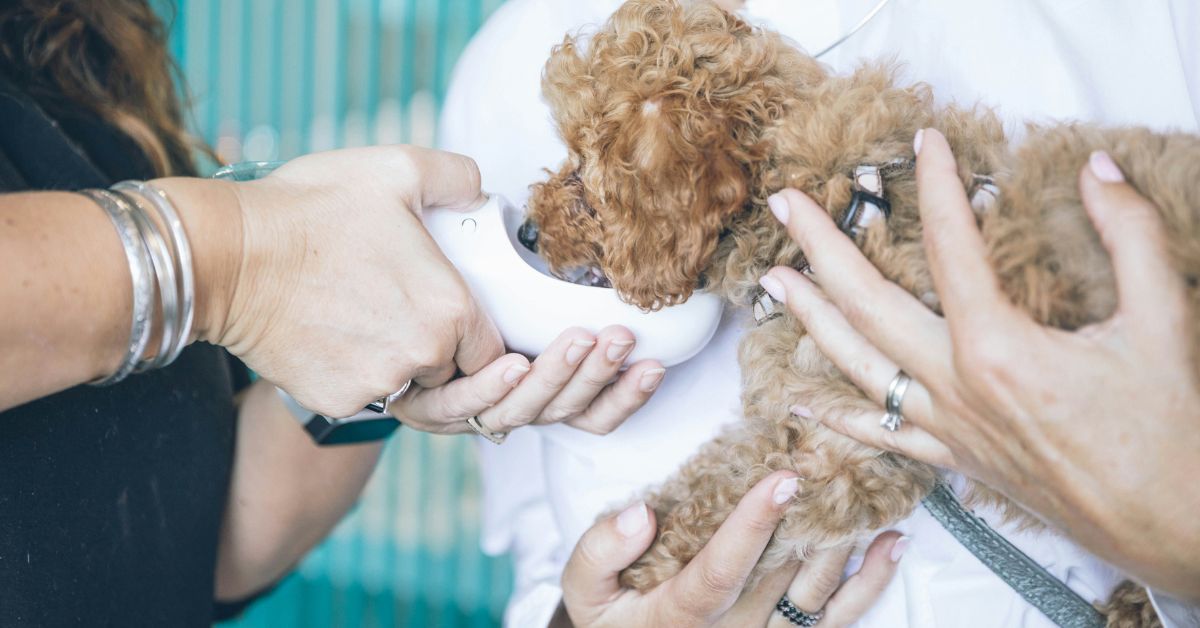
How therapy helps elderly residents.
Comfort and companionship through the gentle presence of therapy animals, addressing feelings of loneliness and depression that often accompany aging. In our experiences within old age homes, we have witnessed how these animals can ignite cherished memories and create moments of joy, as residents share stories of their own pets from the past. The tactile experience of petting a dog or cat helps to soothe anxiety and can even lower blood pressure, fostering a sense of peace and well-being. Emotional support animals can also provide a sense of purpose, encouraging residents to engage in daily activities and interact with others.
Animal therapy in hospitals further extends this healing influence, as patients, regardless of age, benefit from the calming effects of therapy animals during their recovery. The presence of these creatures can alleviate the stress associated with medical procedures and hospital stays, promoting a more healing environment for both elderly patients and their caregivers. As we reflect on testimonials from these settings, many express gratitude for the comfort brought by therapy animals, noting how their visits have rekindled their spirits and enhanced their overall quality of life. By bridging the generational gap, animal healing therapy not only nurtures emotional health but also fosters community connections, reminding us of the universal language of compassion and companionship.
Animal therapy in hospitals enhances recovery.
In our observations, the impact of animal therapy in hospitals is profound, providing comfort and support to patients navigating the challenges of illness and recovery. Therapy animals serve as a source of distraction and emotional relief, helping to reduce anxiety and pain perception. We have seen how the simple act of petting a therapy dog can lift a patient’s spirits, encouraging them to engage more actively in their treatment plans. The presence of these animals not only fosters a sense of connection and companionship, but it also promotes a positive atmosphere that can enhance overall recovery outcomes.
Comparatively, children and individuals with special needs also respond remarkably well to animal healing therapy. For younger patients, interactions with therapy animals can create a playful environment that reduces fear associated with hospital visits, turning daunting experiences into moments of joy. In our engagements, we have heard numerous testimonials from parents who report significant improvements in their child’s mood and willingness to cooperate with medical staff after visits from therapy animals. Whether in hospitals, old age homes, or as support for individuals with special needs, the consistent benefits of animal therapy highlight its crucial role in fostering emotional resilience and improving quality of life across various demographics.
Special needs individuals benefit from therapy.
Some parents who report significant improvements in their children’s emotional regulation and social skills following animal therapy sessions. Many parents describe how their children, who often struggle with communication and social interactions, become more expressive and willing to engage with others during sessions with therapy animals. This transformative experience not only aids in their emotional development but also fosters a sense of responsibility as they learn to care for and connect with these animals.
In the context of our elderly population, especially those residing in old age homes, the benefits of animal therapy are equally compelling. We have witnessed how therapy animals provide companionship and reduce feelings of loneliness among residents. The presence of these animals can spark memories, encourage conversations, and create a nurturing atmosphere that enhances emotional well-being. Testimonials from caregivers highlight improvements in mood and interactions among residents, illustrating the vital role that emotional support animals play in bridging the gap between isolation and connection. Through our experiences, it is evident that animal therapy is a powerful tool for healing across various ages and needs, bringing comfort and joy in ways that traditional therapies often cannot.

Creating bonds through animal interactions.
Interactions among residents, who often reminisce about their own pets or share stories of their past experiences with animals. This intergenerational connection fosters a sense of belonging and purpose, reminding us that the bonds we create with animals can transcend age and life experiences. In hospitals, patients undergoing treatment often find solace in the presence of therapy animals, which can alleviate stress and anxiety. The gentle interactions with these animals can provide a welcome distraction from medical procedures, contributing significantly to the patients’ emotional healing.
Across all ages, animal healing therapy cultivates an environment of trust and empathy. Whether through the wagging tail of a therapy dog or the soft purring of a cat, these interactions offer a unique form of comfort that resonates deeply with individuals. We have observed how children with special needs can develop social skills through guided interactions with therapy animals, while the elderly experience rejuvenation and joy in their daily lives. As we share stories and experiences, it’s clear that these bonds not only provide immediate emotional support but also pave the way for long-lasting connections that enrich our lives.
Testimonials highlight transformative therapy experiences.
Personal accounts of transformative therapy experiences with animals often reveal profound changes in individuals’ emotional well-being. For children, interactions with therapy animals can break down barriers and build confidence; we have seen young ones express emotions they previously struggled to articulate, simply by engaging with a gentle dog or a calm bunny. Their laughter and smiles are powerful indicators of the therapeutic impact that these connections provide. Similarly, elderly residents in care facilities frequently share testimonials about how moments spent with therapy animals rekindle fond memories and ignite joy, filling their days with purpose and companionship.
In hospitals, patients suffering from chronic illness or recovering from surgery often describe how the mere presence of a therapy animal alleviates feelings of isolation and fear. We have gathered stories highlighting how these visits mark a turning point in their recovery journey, encouraging them to engage more actively in their healing process. The testimonials from families, caregivers, and healthcare professionals together illustrate a tapestry of experiences wherein therapy animals serve as catalysts for emotional resilience and healing across diverse settings. By showcasing this new dimension of emotional support through videos and photos, we invite others to witness the undeniable bond between humans and animals that enriches lives.
Visual stories of healing through pets.
Through the lens of animal healing therapy, we witness a remarkable tapestry of connections woven between humans and their furry counterparts, offering comfort in a variety of settings. In our shared experiences, children with special needs find solace in the playful antics of therapy dogs, which help foster social skills and emotional expression. The laughter that resonates during these interactions is a testament to the joy animals bring into their lives, helping to form meaningful connections that transcend verbal communication. Meanwhile, elderly individuals in old age homes often share heartwarming accounts of how visits from therapy animals spark cherished memories of their own pets, fostering a sense of nostalgia and contentment that enriches their daily existence.
In the hospital environment, the presence of therapy animals can transform an intimidating space into one filled with warmth and compassion. We have come across numerous testimonials from patients who describe how the comforting weight of a dog resting on their lap or the gentle purr of a cat eases their anxiety, allowing them to momentarily forget the pain of their illness. These emotional support animals not only offer companionship but also encourage a sense of hope and resilience during challenging times. By capturing these visual stories through photos and videos, we can share the profound impact that animal therapy has on healing across age groups and circumstances, creating a powerful narrative of recovery and companionship.
Join us in exploring animal therapy.
People who describe the profound impact of animal therapy during their healing journeys. The gentle presence of emotional support animals in hospitals can alleviate anxiety, reduce stress, and even lower blood pressure, making the experience of recovery feel less daunting. For many patients, a simple interaction with a therapy dog provides a comforting distraction from pain and the sterile atmosphere of medical facilities. The joy of petting a dog or observing a cat’s playful behavior can evoke smiles and laughter, reminding us of life beyond the confines of illness.
In South Africa, the integration of therapy animals into various care settings highlights the universal need for companionship and healing. As we explore animal therapy in hospitals and old age homes, the stories we gather reveal a common theme: animals have a unique ability to foster emotional connections that enhance our well-being, regardless of age or circumstance. By sharing photos and videos of these heartwarming encounters, we can engage a wider audience, illustrating the transformative power of animal therapy and encouraging others to witness these incredible relationships firsthand.
In conclusion, our exploration of the healing power of animals has shown us just how transformative pet therapy can be across various ages and settings. For children, the gentle presence of therapy animals can ease anxiety and foster emotional resilience, creating a safe space for them to express themselves. Similarly, the elderly benefit greatly from animal companionship, as interactions with pets can reduce feelings of loneliness and encourage socialization, enhancing their overall quality of life. Hospital patients also experience significant comfort through animal-assisted therapy, where the calming energy of animals can alleviate stress and promote healing during challenging times. As we reflect on the powerful testimonials we’ve encountered—stories of joy, companionship, and recovery—we are reminded of the profound impact that these furry friends can have on our emotional and physical well-being. We encourage you to engage with this topic further, perhaps by sharing your own stories, photos, or videos of the special bond you have with animals, as we continue to celebrate the incredible healing journey that pet therapy offers to so many.

FAQ
Here’s a list of 5 questions that can guide a discussion or exploration of the topic The Healing Power of Animals: How Pet Therapy Transforms Lives Across Ages and Settings. Each question aims to elicit comparative insights into how animal healing therapy benefits different demographics:
- How do we observe the effects of pet therapy on children compared to seniors in our community?
- In what ways do our experiences with therapy animals differ across various healthcare settings?
- How do we think the bond between humans and animals influences emotional healing in diverse age groups?
- What unique challenges do we face when implementing pet therapy in schools versus nursing homes?
- How can we share success stories that highlight the transformative power of animals in our lives?
What are the specific emotional and psychological benefits that children experience through pet therapy compared to elderly individuals and hospital patients?
In pet therapy, we observe that children often experience enhanced emotional regulation, increased empathy, and improved social skills. The presence of animals fosters a sense of safety and comfort, helping them express feelings that might be difficult to articulate. In contrast, elderly individuals and hospital patients may find companionship that alleviates loneliness and reduces anxiety. While both groups benefit from the unconditional love of pets, children particularly thrive in developing their emotional intelligence and resilience through interactive play and nurturing, which can be less pronounced in older adults facing more existential concerns.
We’ve heard heartwarming testimonials from parents whose children have thrived in pet therapy programs, expressing gratitude for the joy and comfort these interactions bring. Elderly participants often share how the gentle presence of therapy animals rekindles cherished memories and reduces feelings of loneliness. Hospital staff frequently recount how the pets uplift the spirits of patients, creating a soothing atmosphere during challenging times. These stories highlight the profound impact of pet therapy, reminding us of the joy and healing that animals bring to our lives. We believe these voices truly capture the essence of our mission.
How do the settings in which pet therapy is delivered (e.g., schools, nursing homes, hospitals) influence the effectiveness of animal-assisted interventions for different age groups?
The settings where we deliver pet therapy significantly shape its effectiveness for different age groups. In schools, for instance, the lively environment fosters engagement and reduces anxiety among children, enhancing learning. In nursing homes, the calming presence of animals can evoke nostalgia and improve emotional well-being for seniors. Hospitals provide a comforting distraction, aiding recovery and reducing stress for patients of all ages. Each setting allows us to tailor our approach, ensuring that the benefits of animal-assisted interventions resonate with the unique needs and experiences of those we serve.
In what ways do the types of animals used in therapy (e.g., dogs, cats, rabbits) cater to the unique needs of children, the elderly, and hospital patients?
In our experience, therapy animals like dogs, cats, and rabbits meet the unique needs of various groups effectively. For children, their playful nature fosters emotional connection and comfort. With the elderly, the gentle presence of these animals often alleviates loneliness and encourages social interaction. Hospital patients benefit from therapy animals’ calming effects, which can reduce anxiety and promote healing. Each type of animal brings unique traits that resonate with different individuals, helping us create a nurturing atmosphere where everyone feels valued and supported. Together, we witness the transformative power of these animals in enhancing well-being across various populations.
How does pet therapy facilitate social interaction and communication among children, the elderly, and hospital patients, and what role does this play in their overall healing process?
Pet therapy fosters social interaction and communication by creating a comforting environment where we feel safe to express ourselves. When we engage with therapy animals, barriers dissolve, and conversations flow more naturally. For children, pets can ease anxiety, promoting interaction; for the elderly, they often evoke fond memories and stimulate dialogue. In hospital settings, pets bring joy and distraction, helping patients connect with caregivers and each other. This nurturing interaction enhances emotional well-being, reduces stress, and contributes significantly to the overall healing process, helping us feel more connected and supported during challenging times.
What challenges and considerations
As we navigate challenges, we encounter issues like resource limitations, communication barriers, and differing priorities among team members. It’s crucial for us to foster open dialogue and collaboration to address these obstacles effectively. We must also consider the impact of our decisions on all stakeholders, ensuring that we balance short-term needs with long-term goals. By prioritizing transparency and inclusivity, we can enhance our problem-solving capabilities and build a resilient team. Regular reflection on our progress and adaptability will help us overcome hurdles and drive our collective success.